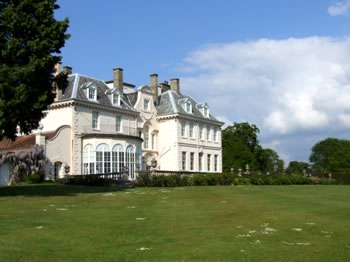
The Hall
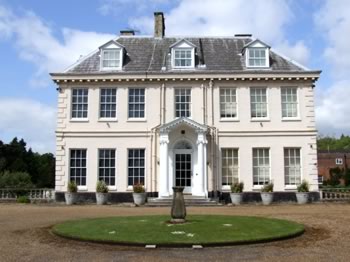
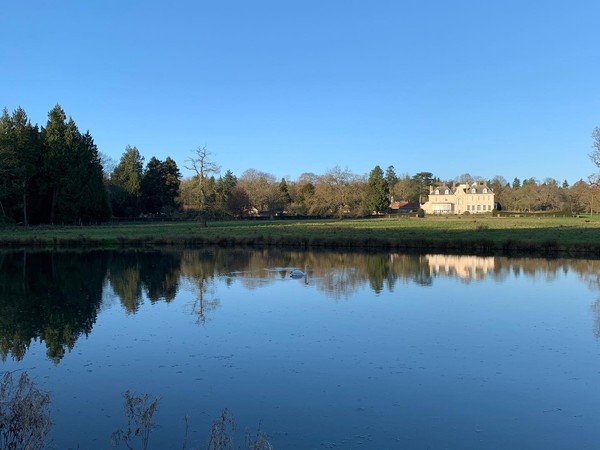
The Grade II listed Lexham Hall sits at the centre of a 4,400-acre estate in West Norfolk’s Upper Nar Valley. It remains a private family home and is not open to the public, but the gardens open seasonally and by appointment.
Early History
Originally, a manor house called Rouses occupied a moated site nearby. John Wright acquired the property in 1568 and rebuilt it in the 1630s, creating the hall’s core structure.
The Wodehouse Era
Wright later sold the property to a Richard Moore whose executors conveyed it in 1673 to Sir Philip Wodehouse, 3rd Baronet, MP.
The Wodehouses held the estate through the 18th century, with significant remodelling by Edmund Wodehouse in the early 1700s and John Wodehouse in the 1770s.
The famous author P.G. Wodehouse descends from this family.
Later Ownership
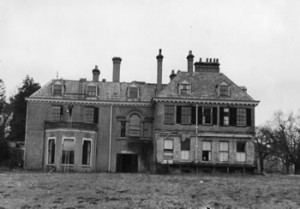
The Keppels enlarged and remodelled the hall under architect Jeffrey Wyatville in the early 19th century.
Augustus Leverton Jessop purchased the estate in 1912, followed by Olaf Keir in 1941.
Modern Restoration
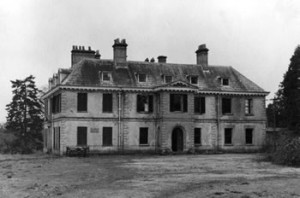
Two World Wars and adverse economic conditions caused a slow but steady deterioration until the renaissance brought about by Mr William Foster and his wife Jean following his acquisition of the estate in 1946.
Architect James Fletcher-Watson (1947-1949) removed Victorian additions and restored the structure’s elegance.